College is often described as a grand adventure—an open road, a bustling marketplace, or, for some, a labyrinth of corridors that never seem to end. For many students, the transition is a thrilling mix of freedom and challenge. For students with autism in girls, however, the path can feel more like a maze with hidden doors. This article explores how to recognize autism in girls, the unique hurdles they face in higher education, and the practical support systems that can turn the maze into a well‑lit hallway.
Understanding Autism in Girls
Common Traits and Misdiagnosis
Autism in girls frequently presents differently than in boys. While boys might display overt hyperactivity or aggressive play, girls often internalize their struggles. They may mask social difficulties by copying peers or obsessively researching social norms. Because of this, many girls receive a diagnosis later in life—sometimes only during college when the demands of academic and social life become too great to ignore.

Impact on Academic Life
Academic challenges for autistic girls are not merely about difficulty with math or science. They often involve:
- Sensory overload in crowded lecture halls Trouble parsing abstract concepts in group discussions Anxiety that turns a simple deadline into a looming catastrophe
These hurdles can lead to lower grades, decreased participation, and, ultimately, a feeling that the campus is a hostile environment rather than a learning community.
what are the 3 main causes of autismThe College Experience for Students with Autism
First‑Year Challenges
The first year is a whirlwind of new routines: new roommates, new professors, and new expectations. For students with autism in girls, the lack of structure can feel like being dropped into a storm without an umbrella. The question arises: How can one navigate this chaos without feeling overwhelmed?
Social Integration
Social life is often the heart of the college experience. Yet, for many autistic girls, social cues are like cryptic crossword clues. They might:
- Struggle to interpret body language Fear judgment over perceived awkwardness Miss out on spontaneous events because they feel unprepared
These barriers can lead to isolation, which in turn can affect mental health and academic performance.
College Support Services: What to Look For
Disability Services Offices
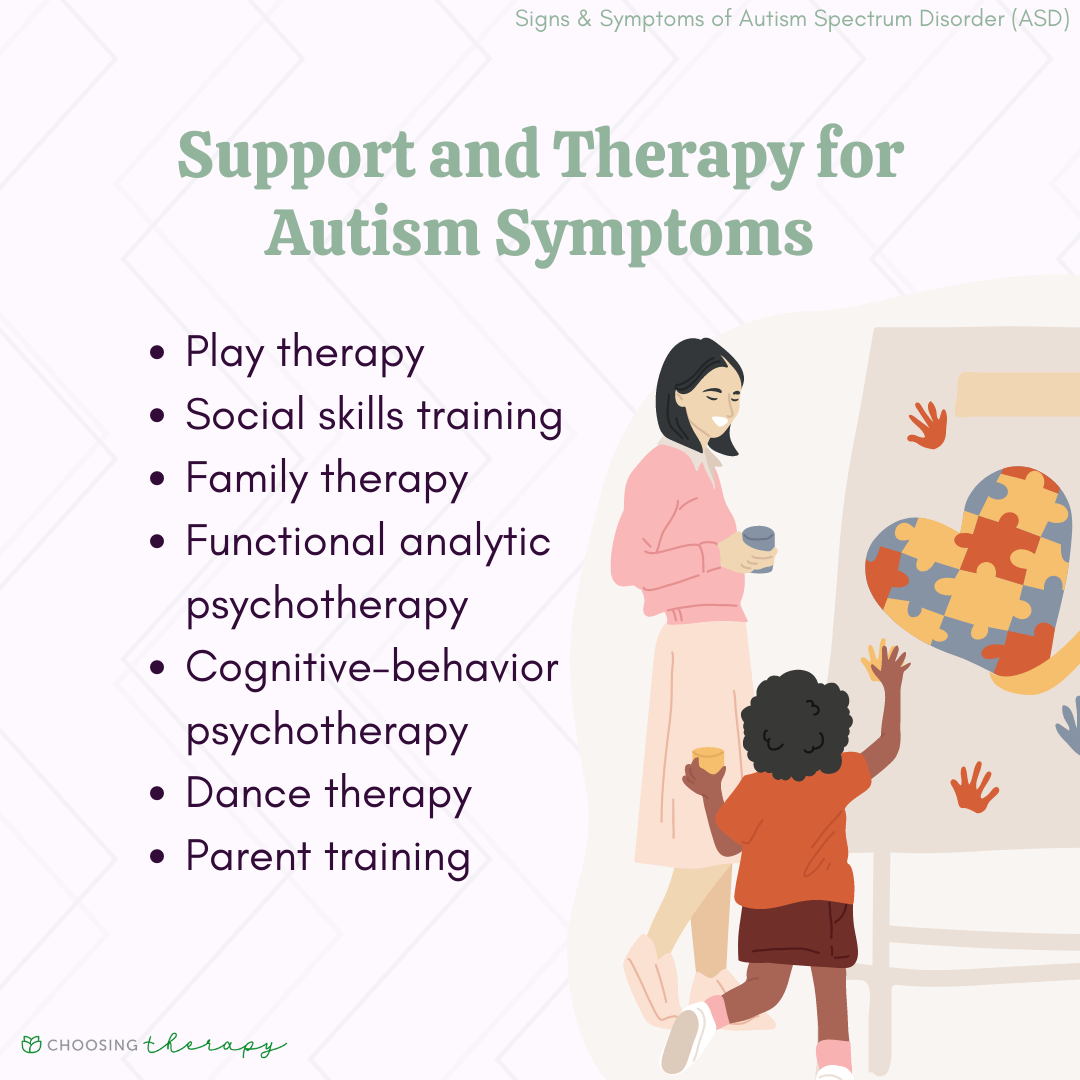
Most campuses have a Disability Services Office (DSO). They can provide accommodations such as:
- Extended exam times Note‑taking assistance Quiet testing rooms
It’s essential to schedule a meeting early, ideally before the semester starts, to discuss your needs and document them formally.
Peer Mentoring and Support Groups
Peer mentors who have walked a similar path can be invaluable. Support groups—whether on‑campus or online—create a safe space to share strategies. Look for groups that focus on:
- Sensory regulation techniques Time‑management hacks Building confidence in social settings
Example: The “Quiet Corner” Initiative
Some universities have launched “Quiet Corners”—designated spaces where students can retreat from sensory overload. These corners are often equipped with dim lighting, noise‑cancelling headphones, and comfortable seating. A quick Google search for “quiet corner campus” can reveal whether your university offers this resource.
Practical Strategies for Success
Time Management and Routine Building
Creating a visual schedule can transform a chaotic day into a predictable rhythm. Try these tactics:
- Use a color‑coded planner Set alarms for transitions between tasks Break large projects into bite‑size steps
A well‑structured routine reduces anxiety, making it easier to focus on learning rather than on what might go wrong next.
Communication with Professors
Open dialogue with instructors can demystify expectations. Consider:
- Sending a brief email before a lecture outlining your concerns Requesting clarification on assignments Asking for feedback on class participation
Remember, professors are often more accommodating than you think—they’re there to help you succeed.
Real Stories: A Light‑Hearted Anecdote
Maya, a sophomore at a mid‑size university, had always been the quiet one in class. When she discovered the campus “Quiet Corner,” she felt like she’d found a secret level in a video game. One day, after a particularly loud lecture, she slipped into the corner, took a deep breath, and returned to class feeling refreshed. Maya joked, “It’s like a spa for my brain!” Her story reminds us that small accommodations can make a huge difference.
Moving Forward: Empowering Choices
Advocacy and Self‑Advocacy
Self‑advocacy is the key to unlocking support. Start by:
- Knowing your rights under the Americans with Disabilities Act (ADA) Keeping a record of accommodations and their effectiveness Communicating changes in your needs to the DSO
When you speak up, you’re not just advocating for yourself—you’re paving the way for future students.
Long‑Term Planning
College is a stepping stone, but the journey doesn’t end at graduation. Consider:
- Continuing therapy or counseling after college Exploring career paths that align with your strengths Building a support network that extends beyond campus
By planning ahead, you can ensure that the skills you develop in college serve you throughout life.
Charting Your Course to College Success
The road to college for students with autism in girls is paved with challenges, but it is also rich with opportunities. By understanding the unique traits of autism in girls, leveraging campus resources, and adopting practical strategies, you can transform the labyrinth of campus life into a clear, well‑lit path. Remember the metaphor: College is a maze, but with the right map—support services, routines, and advocacy—you can navigate it with confidence.
If you’re a student, a parent, or an educator, consider reaching out to your university’s Disability Services Office today. A simple conversation can be the first step toward a brighter, more inclusive academic experience.