Imagine stepping into a bustling party where lights flash like disco stars, music thumps, and conversations swirl around you like a storm. For many, this is a sensory buffet that can quickly become a full‑blown overload. Managing sensory overload during social events isn’t about avoiding gatherings altogether; it’s about equipping yourself with tools that let you enjoy the moment without feeling like a human espresso machine overloaded https://www.slideserve.com/pjetusofbv/how-to-get-an-autism-assessment-for-a-child-with-a-medical-condition-in-a-remote with caffeine. In this guide, we’ll explore how to anticipate, navigate, and recover from sensory spikes while keeping your social calendar vibrant.
Understanding Sensory Overload
What It Looks Like
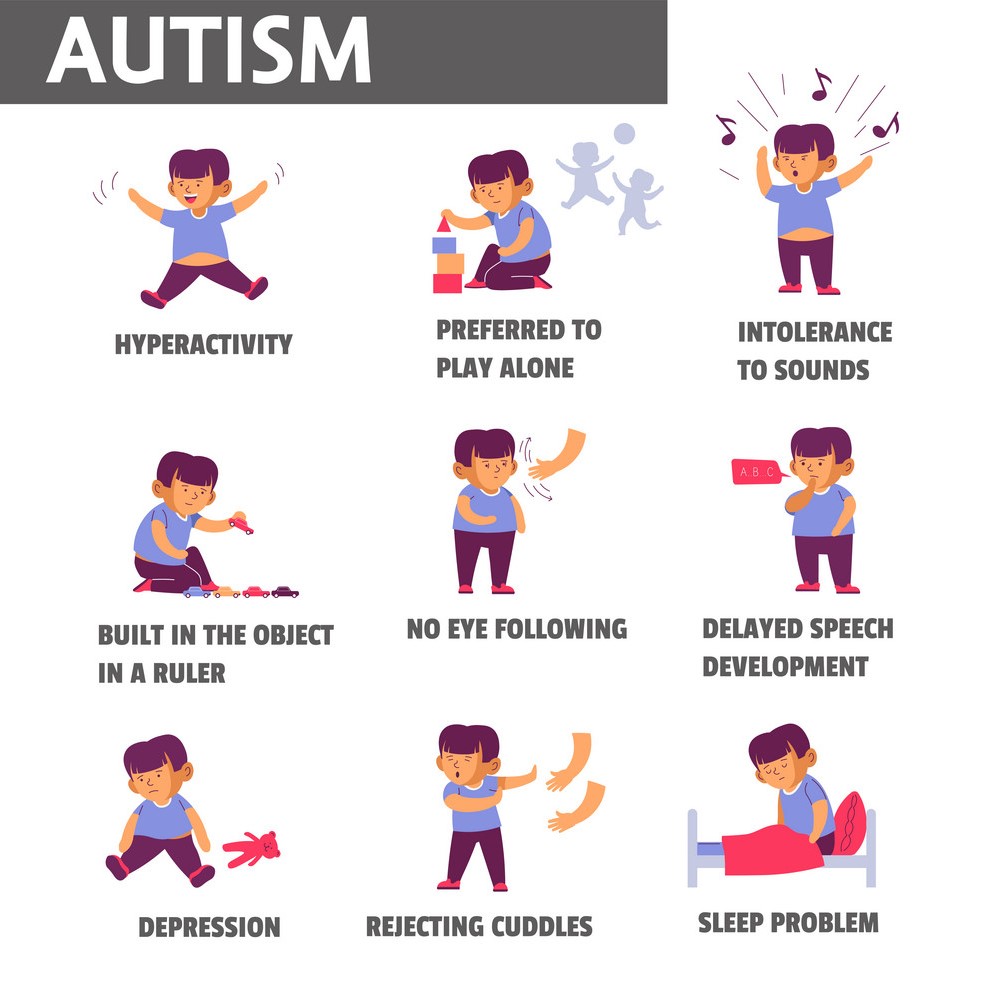
Sensory overload manifests in subtle or dramatic ways—racing heartbeats, sudden headaches, or the urge to retreat to a quiet corner. You might notice a sudden chill in your skin or a feeling of being “tuned in” to too many frequencies at once. Recognizing these signals early is the first step toward effective management.

Why It Happens
Our brains constantly filter incoming stimuli, prioritizing what’s essential. In crowded environments, the sheer volume of sights, sounds, and smells overwhelms this filtering system. The result? A flood of unprocessed information that can trigger anxiety, irritability, or fatigue. Understanding this neurobiological response helps you frame it as a manageable challenge rather than an insurmountable barrier.
Prepping Before the Event
Planning the Route
- Choose a low‑traffic entry point: Arriving through a side door can give you a moment to acclimate. Map out a “safe zone”: Identify a quiet spot—perhaps a balcony or a corner—where you can retreat if needed. Set a time limit: Decide in advance how long you’ll stay; a clear exit strategy reduces stress.
Packing a Survival Kit
- Noise‑cancelling headphones: They’re surprisingly effective even in social settings. A small bottle of water: Hydration keeps the brain’s processing center running smoothly. A calming scent: A drop of lavender or peppermint can act as a gentle anchor. A written “pause plan”: A brief note reminding you to step back, breathe, and regroup.
On the Scene: Real‑Time Strategies
The Power of the “Pause Button”
When the sensory input spikes, consciously press your mental pause button. Step away from the crowd for a few minutes, close your eyes, and take slow, deliberate breaths. This brief intermission resets your nervous system, allowing you to rejoin the event with renewed focus.
Using Anchors and Grounding Techniques
- Anchor: Hold a small object—a smooth stone or a piece of fabric—and focus on its texture. Grounding: Count backward from 100 in threes, or name five things you can see, four you can touch, three you can hear, two you can smell, and one you can taste. Visualization: Picture yourself in a calm, familiar place—like a quiet beach or a cozy reading nook.
These techniques serve as mental lifelines, pulling you out of the sensory storm and back into a state of equilibrium.
Post‑Event Self‑Care
Debriefing with a Friend
After the event, share your experience with a trusted friend or family member. Discuss what worked, what didn’t, and any new strategies you’d like to try. Talking it out can reduce lingering stress and reinforce the coping skills you’ve practiced.
Recharging Your Senses
- Quiet time: Spend at least 15 minutes in a low‑stimulus environment—read a book, listen to soft music, or simply sit in silence. Hydration and nutrition: A light snack and a glass of water help restore energy levels. Gentle movement: A short walk or some light stretching can dissipate residual tension.
By giving yourself space to recover, you prepare for future social events with a refreshed mindset.
A Lighthearted Look: Anecdote and Quote
The Party Paradox
Last summer, I attended a rooftop celebration where the lights flickered like Developmental evaluation fireflies. Mid‑night, I felt my heart race as if I’d run a marathon. I remembered the survival kit I’d packed, slipped on my headphones, and stepped into the balcony. The cool night air and distant city hum became my sanctuary. I returned to the party feeling like a calm cat after a chaotic chase—ready to enjoy the music without the anxiety.
A Wise Word
“The quieter you become, the more you can hear.” — Rumi
This quote reminds us that silence, even in a noisy environment, can be a powerful ally. It’s not about avoiding sound but about tuning into the subtle cues your body gives you.
Turning the Crowd into a Calm Ocean
Managing sensory overload during social events is a skill that, once honed, turns every gathering into a balanced experience. By understanding the triggers, preparing strategically, and applying real‑time techniques, you can navigate the waves of noise and light without capsizing. Remember, the goal isn’t to eliminate sensory input but to master the art of riding the tide—calmly, confidently, and with a touch of humor.
So next time you find yourself in a whirlwind of chatter and color, grab your survival kit, hit that mental pause button, and let the calm ocean of your own senses guide you through the event. Your social life can thrive, and you’ll still have plenty of energy left for the after‑party pizza.